

The Evolution of Catalan Cuisine: A Culinary History

Catalan cuisine is one of Europe’s richest and most vibrant culinary traditions. Thanks to its geographic location, history, and blend of cultural influences, Catalonia has developed a distinct gastronomic identity that continues to captivate both locals and visitors alike. As the capital of Catalonia, Barcelona is the epicenter of this culinary heritage, where traditional dishes blend with more modern creations, resulting in a dynamic and ever-evolving dining experience. From the Musik Boutique Hotel, located in the heart of the city, you can explore this culinary richness and discover some of its best spots through its guide to Barcelona. In this article, we’ll review the history and evolution of Catalan cuisine and how it influences the current culinary scene in Barcelona.
Tasting History: Catalan Cuisine in Barcelona
Catalan cuisine in Barcelona has its roots in the region’s agricultural and fishing traditions, which have been shaped over time by the various civilizations that inhabited the Iberian Peninsula. From the Romans to the Muslims, including French and Mediterranean influences, all these cultures have left their mark on Catalan cuisine. The ingredients, cooking techniques, and characteristic flavors reflect this historical evolution, with a strong emphasis on fresh produce, fish, and the balance between flavors and seasonality.
The Early Origins of Catalan Cuisine
The history of Catalan cuisine begins with the Romans, who introduced grape cultivation, olive oil production, and wheat farming to the region. These three elements—wine, olive oil, and bread—became the cornerstones of the Catalan diet and remain essential to this day. The Roman influence is also evident in the preservation of meat and fish, a practice that has endured over the centuries.
Later, one of the most significant cultural changes came with the Muslim occupation in the 8th century. The Muslims introduced new ingredients such as almonds, citrus fruits, and spices like saffron and cumin. They also brought rice, which over time became a key ingredient in many Catalan dishes. This fusion of Roman tradition and Arab influence laid the foundation for a complex and varied cuisine, characterized by a balance between sweet and savory flavors, a legacy that can be discovered today in neighborhoods with a rich culinary scene, such as El Born, where you’ll find some of the best restaurants in El Born that continue to pay tribute to this rich culinary history.
The Middle Ages and Catalan Cookbooks
During the Middle Ages, Catalan cuisine continued to evolve. One of the most significant developments of this period was the emergence of the first written cookbooks, such as the *Llibre de Sent Soví*, a 14th-century collection of medieval recipes. This book offers a valuable insight into Catalan cuisine of the time, showcasing advanced culinary techniques and the use of a variety of ingredients, especially among the wealthier classes.
Medieval Catalan cuisine was heavily influenced by trade routes across the Mediterranean and other regions. Thanks to these exchanges, ingredients such as sugar, spices, and nuts made their way into the region, where they were incorporated into more elaborate dishes characterized by a blend of sweet and savory flavors. Meat stews with almonds and dried fruits were common, as was fish prepared with spices, especially in the homes of the nobility.
The Impact of the New World
The discovery of the Americas in the 15th century marked a significant change in European cuisine, and Catalonia was no exception. Ingredients such as tomatoes, potatoes, peppers, and chocolate began to be gradually incorporated into the local cuisine. Over time, these ingredients became part of traditional recipes, expanding and enriching the region’s culinary repertoire and solidifying the distinct character of Catalan cuisine.
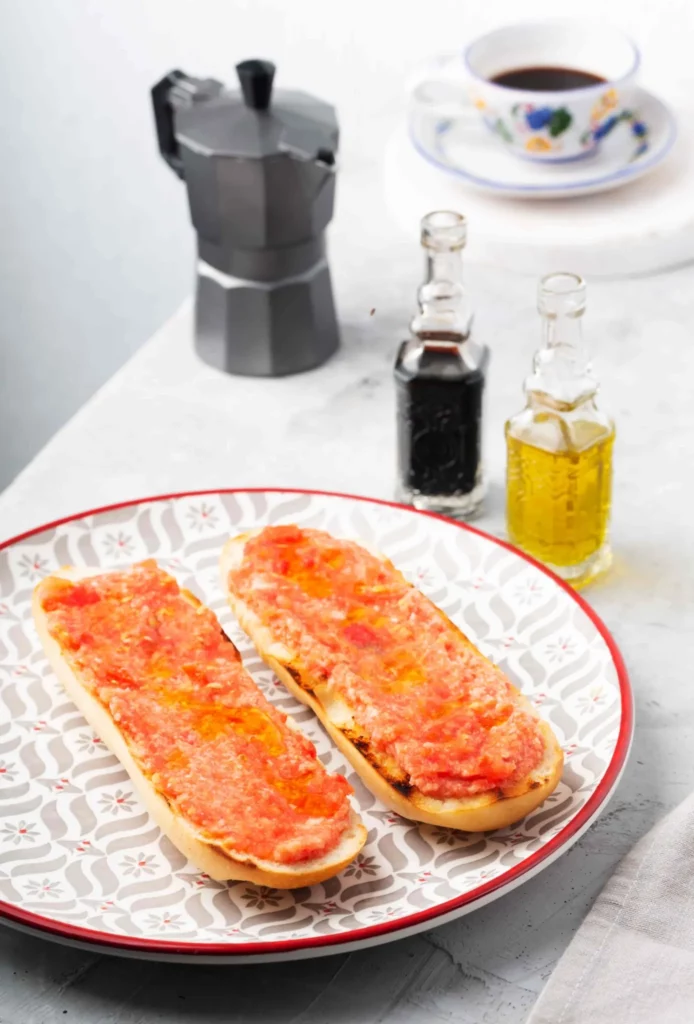
One of the most iconic Catalan dishes to emerge from this context is pa amb tomàquet (bread with tomato). It is a simple yet iconic recipe that involves rubbing fresh tomato on rustic bread, adding a drizzle of olive oil, and a pinch of salt. It is the best example of how Catalan cuisine highlights the quality of the ingredients and the value of simplicity. Over time, pa amb tomàquet has become a true symbol of Catalan identity and the Catalan approach to gastronomy, found on every table—from a family dinner to a stop at the best brunch spots in El Born, where tradition and modernity come together first thing in the morning.
Must-Try Dishes of Catalan Cuisine
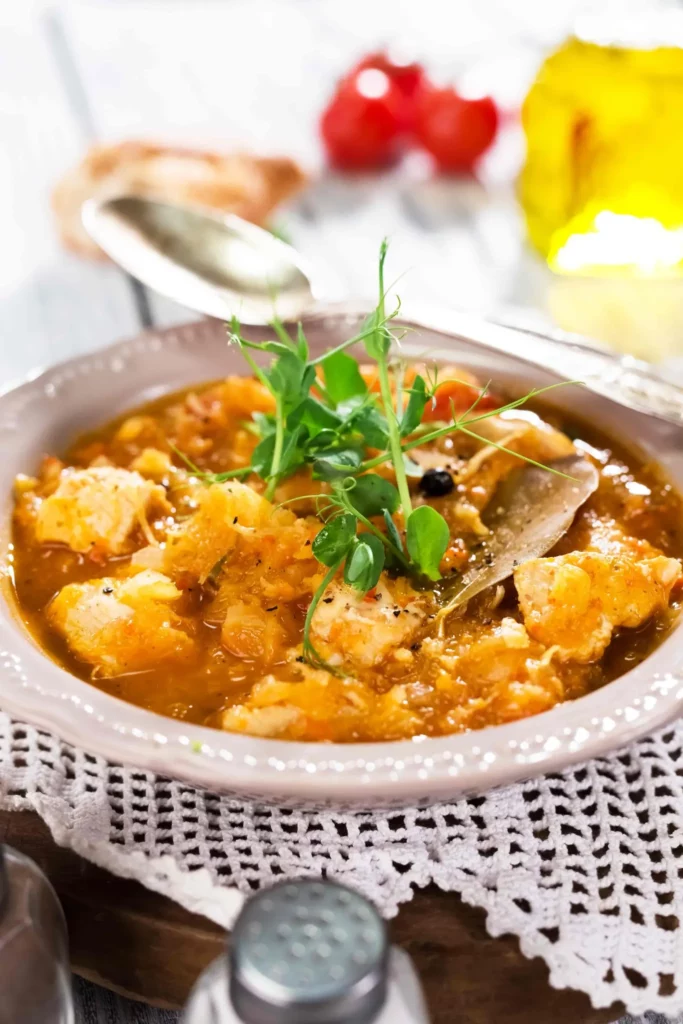
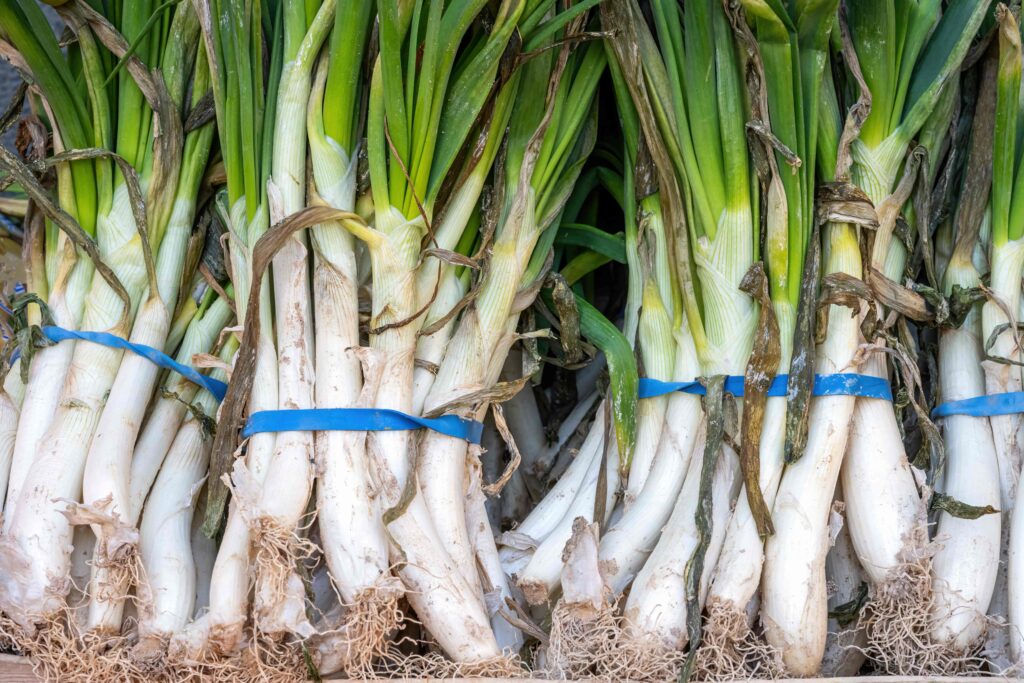
To speak of Catalan cuisine is also to speak of a series of iconic dishes that have defined its identity over time. Recipes such as escudella and carn d’olla—one of the most traditional stews—or suquet de peix reflect the connection between gastronomy and the region. Other standout specialties include calçots with romesco sauce, pa amb tomàquet, and seafood rice dishes, which highlight the importance of local and seasonal ingredients. These dishes are not only part of the tradition but remain very much a part of today’s culinary scene.
From Tradition to Modernity: The Evolution of Catalan Cuisine
As Catalonia moved into the 19th and 20th centuries, the region underwent a process of industrialization and urbanization that significantly transformed its culinary culture. While rural communities continued to preserve many of their culinary traditions, cities like Barcelona began to see a boom in restaurants and dining establishments catering to a growing middle class.
In the early 20th century, Catalan intellectuals and artists, influenced by the Modernist movement, began to take an interest in new ways of understanding Catalan food and cuisine. Against this backdrop, there emerged a renewed appreciation for traditional Catalan dishes, but reinterpreted from a more contemporary perspective. Chefs began experimenting with new techniques, presentations, and combinations, blending classic flavors with innovative ideas.
The Modern Catalan Culinary Revolution
At the end of the 20th century, Catalan cuisine reached a true turning point, largely thanks to the influence of pioneering chefs such as Ferran Adrià. At the helm of the kitchen at the prestigious restaurant El Bulli, Adrià revolutionized the way Catalan cuisine was understood with an avant-garde approach that changed the game. His focus on molecular gastronomy, deconstruction, and surprising presentations helped put Catalan cuisine in Barcelona and throughout Catalonia on the international map.
His approach was rooted in Catalan culinary tradition, but went far beyond it by reinterpreting classic dishes and ingredients in entirely new ways. For example, he transformed traditional Catalan stews into foams, gels, and other creations that offered a completely different sensory experience. His work inspired a whole new generation of Catalan chefs who continue to explore flavors, textures, and techniques, reinforcing the region’s gastronomic prestige and reshaping perceptions of Catalan cuisine.
Barcelona as a Showcase for Catalan Cuisine
Barcelona has established itself as the premier showcase for Catalan cuisine, where tradition and innovation coexist naturally. The city is home to everything from historic restaurants that preserve time-honored recipes to cutting-edge dining venues that reinterpret the classics. This combination makes Barcelona a go-to destination for both those seeking authenticity and those eager to discover new culinary trends. In its neighborhoods, markets, and restaurants, Catalan cuisine is on full display in all its forms, adapting to the times without losing its essence.
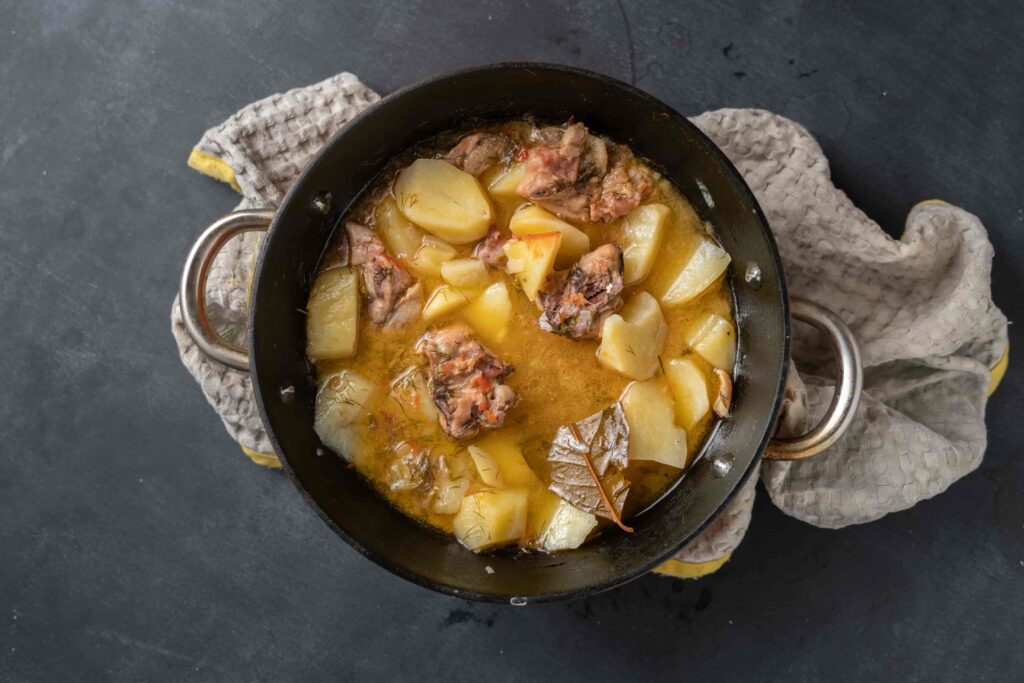
Today, Barcelona is one of the major hubs of culinary innovation, with Michelin-starred restaurants and leading chefs setting the pace for the city’s gastronomic scene. Even so, while signature cuisine and more contemporary offerings have gained international recognition, traditional Catalan dishes continue to play a central role in Barcelona’s culinary identity. In many of the city’s restaurants, you can still find classics like escudella and carn d’olla—a hearty stew of meat and vegetables—or grilled calçots with romesco sauce, coexisting alongside much more modern offerings and keeping the essence of Catalan cuisine alive in Barcelona. And beyond restaurants, Barcelona’s gastronomic experience also extends to its cafés, where quality coffee and a local atmosphere are part of everyday life; a selection of the Best Cafés in Barcelona is the perfect starting point for discovering the city from a different perspective.
Catalan Cuisine in the 21st Century
In the 21st century, Catalonia’s culinary scene reflects both its rich historical heritage and its dynamic, contemporary character. Many of the ingredients and techniques that have defined Catalan cuisine for centuries remain very much a part of it, but at the same time, there is a growing interest in sustainability, locally sourced ingredients, and innovation. In Barcelona, traditional taverns serving classic dishes coexist with haute cuisine restaurants that explore new ways of interpreting Catalan cuisine.
One of the most notable trends in Barcelona’s culinary scene is the farm-to-table movement, which is based on the use of local, fresh, and organic ingredients. The fertility of the Catalan region and its proximity to the Mediterranean Sea make this area an ideal place to produce high-quality vegetables, fruits, fish, seafood, and meats. More and more chefs are embracing sustainability and seasonality, striving to ensure that their dishes are not only delicious but also environmentally responsible.
Another important trend is the revival of Catalan recipes and ingredients that had faded into the background over time. Many chefs are looking back to draw inspiration from old cooking methods and traditional products that had fallen out of use. This has sparked renewed interest in dishes such as suquet de peix, a traditional fish stew, and in herbs like rue and savory, which for a long time were a regular part of Catalan cuisine.
The evolution of Catalan cuisine is a story marked by tradition and innovation, shaped by centuries of history and cultural exchange. From its origins in Roman times to the culinary revolution spearheaded by contemporary chefs such as Ferran Adrià, Catalan gastronomy has always revolved around balance: between flavors, between ingredients, and between respect for tradition and the desire to move forward. Today, this legacy of excellence finds its greatest expression in a world-class culinary scene, highlighted by Barcelona’s top Michelin-starred restaurants—icons of a cuisine that continues to evolve without losing sight of its roots.
Today, in Barcelona, the legacy of Catalan cuisine is more alive than ever. The city offers a fascinating blend of the classic and the contemporary, where traditional dishes coexist with cutting-edge creations. And as Catalonia continues to evolve, so does its cuisine, constantly opening up new possibilities for those who want to discover and savor the richness of its gastronomic history and the best Catalan cuisine.
A Taste of Barcelona from Musik Boutique Hotel
Exploring the evolution of Catalan cuisine also means discovering the essence of Barcelona, a city where tradition and modernity coexist in every corner. In this context, Musik Boutique Hotel serves as an ideal starting point for delving into the richness of Catalan gastronomy and experiencing it firsthand. Located in the heart of the city, the hotel not only offers a comfortable and attentive stay but also connects visitors with the cultural and culinary pulse of Barcelona. Through its guide to Barcelona, guests can discover local markets, historic restaurants, and contemporary dining options that reflect the evolution of Catalan cuisine in Barcelona. In this way, the experience extends beyond simply staying at the hotel; it becomes a way to explore, savor, and understand the city’s culinary identity.